






Paul·GravetteFollow on X

Paul Gravette: stories of builders, our predictions and everyday AI

Entrepreneur ($3+ billion in sales from personally owned companies) | Private Equity | Family Office | Philanthropy

Illustrated portrait of Paul Gravette

Welcome. Let’s look at what’s next, together.

Join free

Companies and funds we’ve invested in

  • NightDragon
  • Arctos Sports Partners
  • Seekr
  • Elevate Music Fund
  • Real Estate Development in Dallas, TX
  • Satori Neuro

Predictions for 2027

  • The five-day office week doesn’t come back; hybrid quietly wins.

    Our readLikely

  • Driverless rides give commute time back in more US cities.

    Our readLeaning yes

  • AI assistants take the busywork, and you keep the hours.

    Our readLikely

Video: CNBC Television · “Waymo opens robotaxi service to 'select riders' in Houston, Dallas, San Antonio and Orlando”

Our own calls. Opinions, not investment advice.

Trend of the week

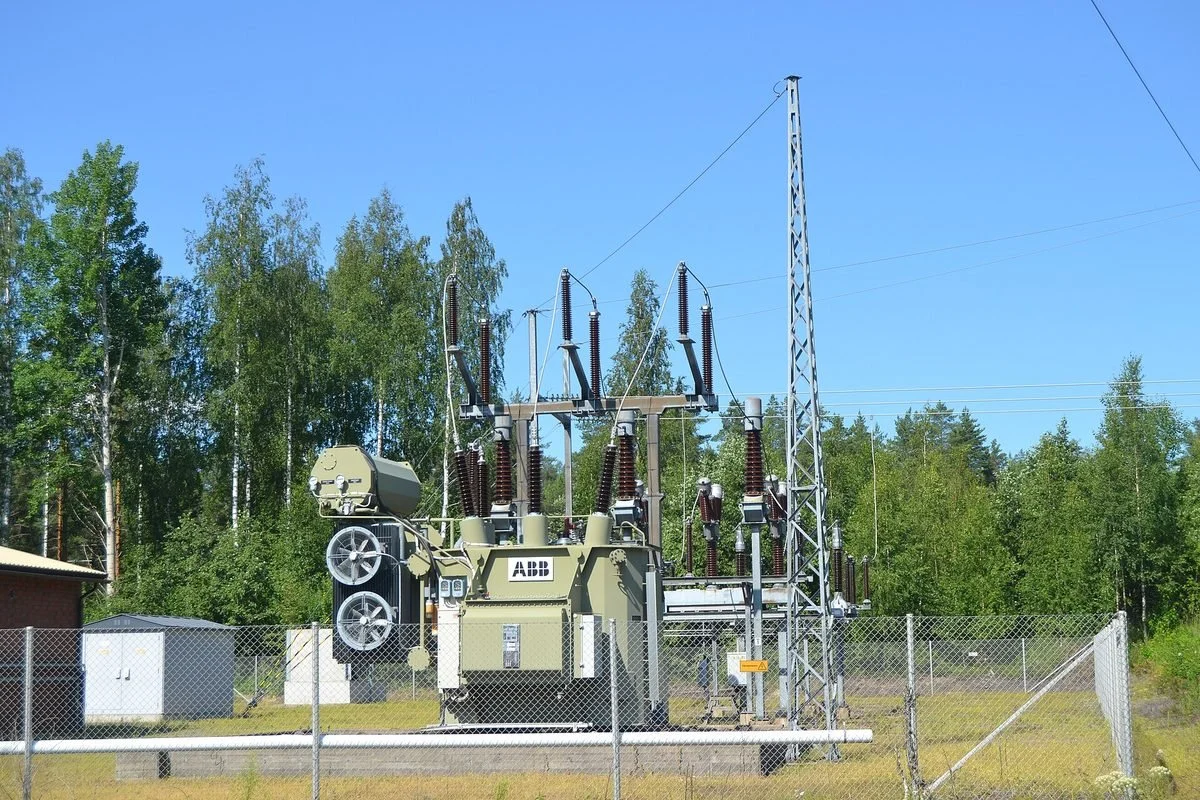
A large electrical transformer at an outdoor power substation
Photo: Antti T. Leppänen / Wikimedia Commons, CC BY 4.0
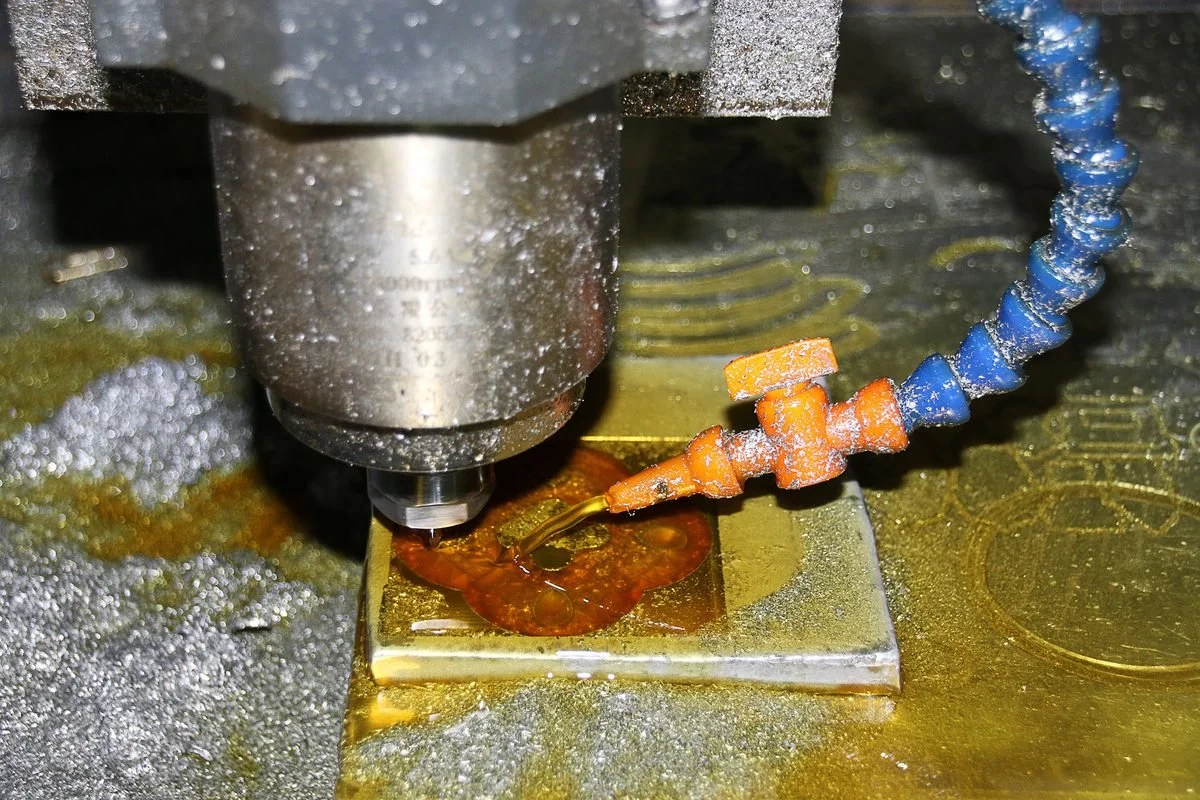
A CNC milling machine cutting a metal part
Photo: Impressionmanufacturer / Wikimedia Commons, CC BY-SA 4.0

Trend of the week

The AI build-out is a people story

AI is usually told in chips and data centers. This week a16z told it in people: building the power, buildings and equipment AI runs on keeps coming back to skilled hands, and not enough of them.

Electrical gear is the pinch point. Since 2019, U.S. production of grid and electrical equipment is down 7% while imports are up 69%, and Reuters reports some high-voltage transformers now take years to arrive.

In the sectors doing the building, hours per worker are growing faster than headcount. The people who know how are being asked to do more.

Our read: the edge in the AI era may sit with the electricians, machinists and line workers who make it real. We respect the trades and the people who teach them.

Sources: a16z, Charts of the Week (Oct 23) · Reuters (Jul 9)

See our 2027 predictions →

From our desk

Black-and-white photo of two people talking across a cafe table
Photo: rawpixel / Unsplash via Wikimedia Commons, CC0

Building

“There is no moat.” Then the customer is the moat

Jack Dorsey posted four words this weekend, “there is no moat,” and the builder world has been debating them since.

He has a point. When AI can write the code and copy the features, the old defenses get thin.

The best answer came from DoorDash founder Tony Xu, talking with a16z: for the first three years the founders did deliveries almost every day, and they trusted what customers told them.

Our read: the moat AI can’t copy is the people who trust you, and we only earn that by showing up.

See our 2027 predictions →
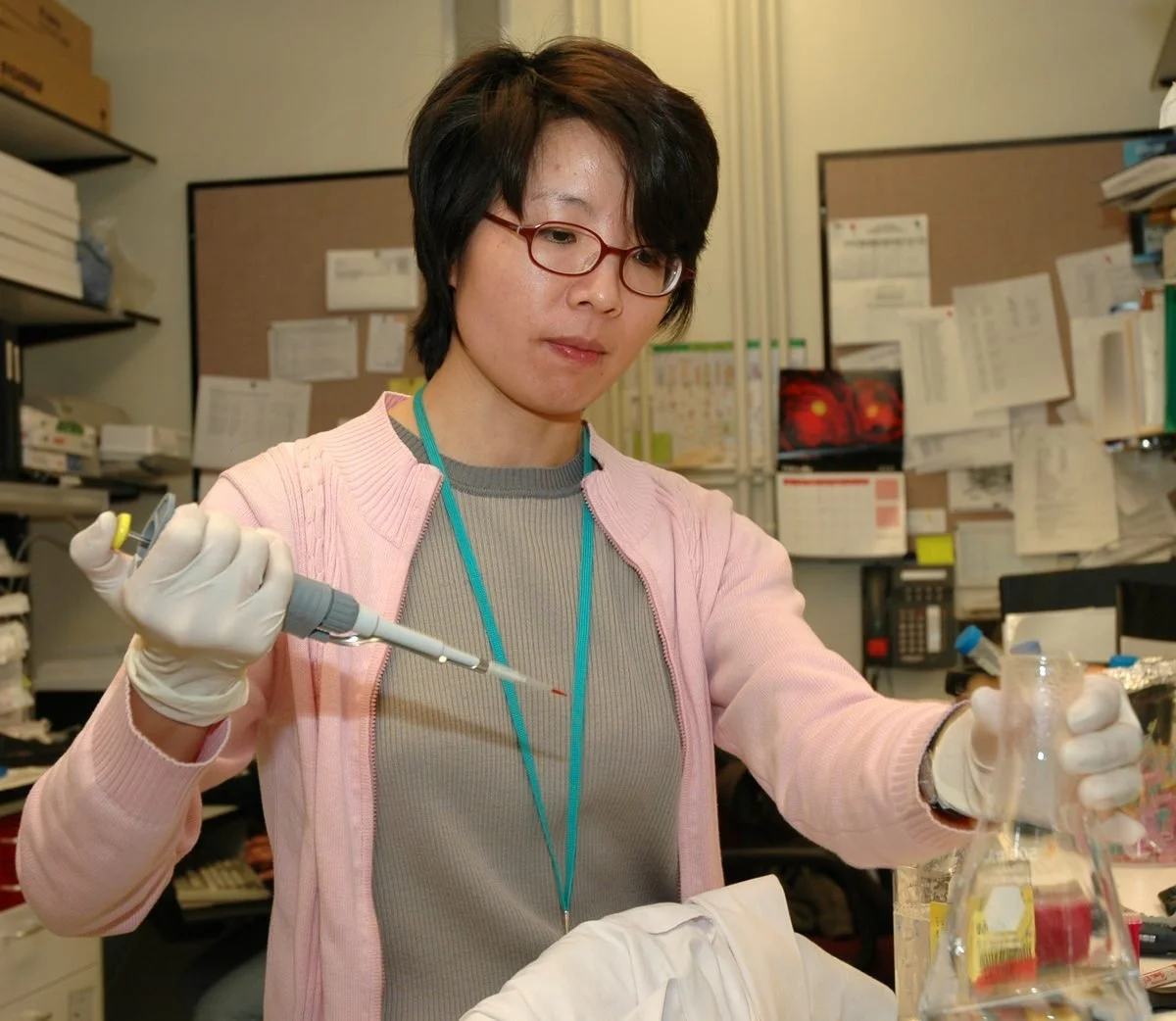
A scientist pipetting samples into a flask in a lab
Photo: Diane A. Reid / National Cancer Institute (NIH), public domain, via Wikimedia Commons

AI in science

AI moves into the lab

OpenAI, PerturbAI and Scripps Research ran nearly 2,000 AI agents through existing data from millions of mouse brain cells in 32 minutes.

The output was a list of research leads, including a possible link between cholesterol in neurons and a rare brain disorder. Leads, not cures; not yet tested.

a16z is backing the same idea from the other side: Periodic Labs built its own lab because AI has to learn from the physical world.

Our read: AI is moving from answering questions to proposing the next experiment. Scientists still decide what gets tested.

See our 2027 predictions →

AI that shops and pays for you

Prediction · Likely

We think that by 2027, letting AI handle routine purchases and payments, like reorders, bills and bookings, feels as normal as autopay.

You set the rules and the budget, and the busywork of buying runs in the background. The time saved is the point.

Everyday AIAI Just Learned to Finish the JobVisa, Mastercard and Amex just gave AI agents the ability to actually buy something, not just recommend it.
Follow Paul on X

© 2026 Paul Gravette · paulgravette.com